AI Self-Care Routines for Mindfulness, Stress & Balance
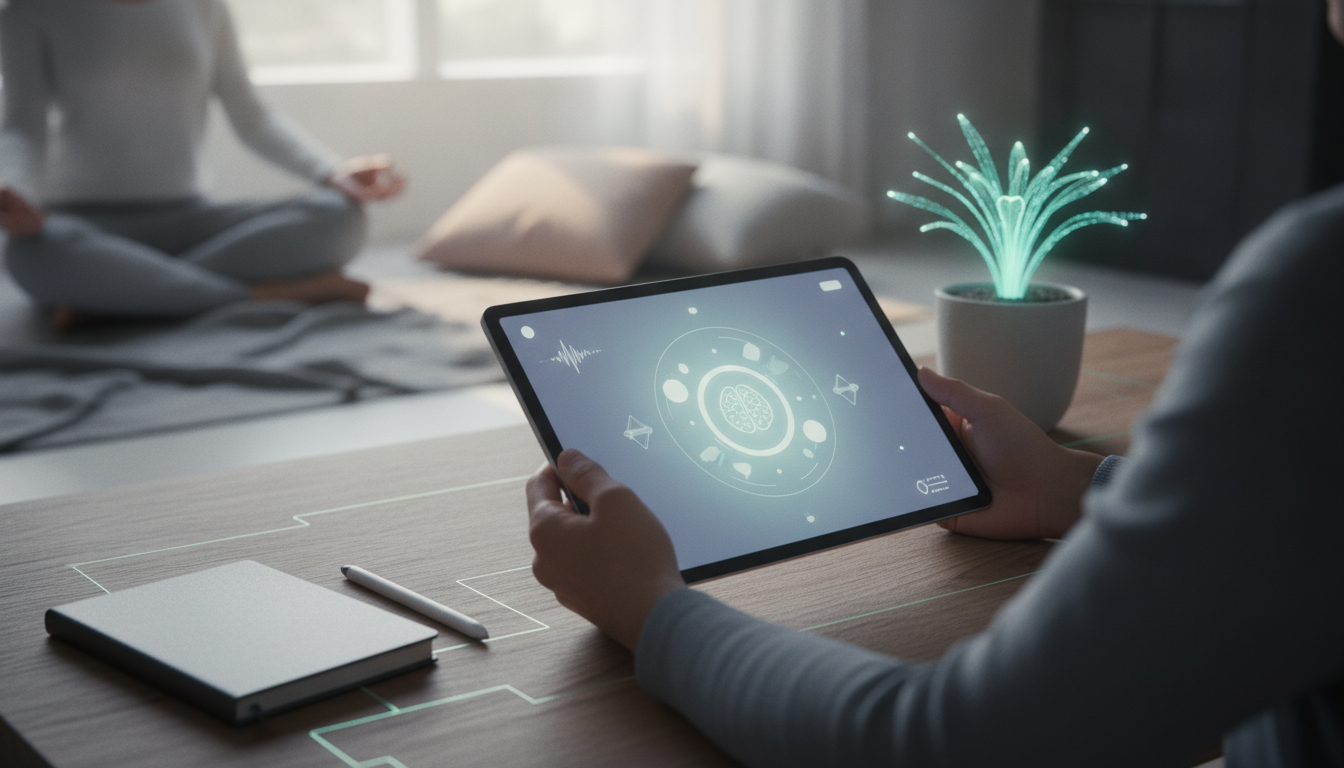
Using AI to Boost Mental Wellness: Practical Self-Care Routines for Mindfulness, Stress Relief, and Emotional Balance
AI can make daily self-care easier to start and easier to stick with—especially when energy is low or stress is high. With clear boundaries, it can support mindful check-ins, guided journaling, meditation scripts, and creative exercises that help regulate emotions. The goal is simple: use AI as a supportive tool (not a replacement for professional care) while staying mindful about privacy, accuracy, and what you personally need day to day.
What AI Can (and Can’t) Do for Mental Wellness
AI is most helpful when it adds structure and reduces friction. It can turn “I want to feel calmer” into small actions like a two-minute breathing break, a short reflection prompt, or a gentle reminder before a predictable stress point.
- Support structure: break big goals into tiny daily steps (check-ins, breathing, reflection).
- Reduce decision fatigue: suggest routines and coping options that match your schedule and preferences.
- Provide language: help label emotions and offer re-framing options when feelings are hard to name.
- Track patterns: summarize themes from journaling (sleep, triggers, social stressors) to build self-awareness.
At the same time, AI has real limitations. It is not therapy, cannot diagnose, can miss context, and may sound confident even when it’s wrong. If you’re experiencing persistent distress, panic, trauma symptoms, severe anxiety, thoughts of self-harm, or major impairment in daily functioning, reach out to a licensed professional or emergency services. For credible background reading, visit the American Psychological Association stress resources or the National Institute of Mental Health overview of anxiety disorders.
Set Up a Balanced AI Self-Care System (5 Minutes to Start)
A sustainable system is intentionally small. Pick one primary goal for the next seven days—sleep, stress, focus, mood steadiness, or self-compassion—so your routine stays clear.
- Create a “minimum routine” that counts even on hard days: 1-minute breathing + 3-sentence journal + 10-second body scan.
- Schedule micro-breaks: place two 2–5 minute resets before predictable stress points (commute, meetings, evening routine).
- Define boundaries: avoid late-night doom-spiral chats; don’t use AI when highly dysregulated; ground first.
- Keep inputs simple: one daily stress rating (0–10), one feeling word, one body sensation, one next small action.
- Keep it human: pair digital support with an offline anchor (water, sunlight, a brief walk, a supportive text, therapy).
If you’d like a ready-to-use system of templates, routines, and copy-and-paste scripts, the Using AI to Boost Mental Wellness digital guide keeps everything in one place so you can repeat what works without reinventing it.
AI Journaling That Builds Clarity (Without Overthinking)
Journaling helps most when it moves from “spinning” to “seeing.” Use short, structured entries that nudge you toward needs and next steps.
Mindfulness and Meditation with AI: Gentle, Flexible, and Personal
For a smoother experience during guided audio, a consistent listening setup can help reduce interruptions—especially if you practice on the go. Wireless earbuds with noise canceling can make short practices more usable in busy environments.
Creativity Tools for Emotional Balance (When Words Aren’t Enough)
If you rely on your phone for these quick resets, staying charged matters more than it sounds. A fast charging power bank can keep your routine available during travel days, long shifts, or stressful weeks when consistency is hardest.
A Simple Weekly Plan: Mix Journaling, Meditation, and Stress Relief
Quick AI-Supported Self-Care Menu (Pick One Per Day)
| Goal | AI prompt idea | Time | Best used when |
|---|---|---|---|
| Lower stress fast | “Give me a 2-minute grounding exercise using the 5 senses for a busy environment.” | 2 min | Overwhelm, racing thoughts |
| Process emotions | “Help me journal in 4 lines: event, feeling, need, next step.” | 5–8 min | After conflict, end-of-day reflection |
| Improve sleep | “Create a 10-minute wind-down routine with low-light cues and a simple body scan.” | 10 min | Bedtime, restless evenings |
| Build self-compassion | “Write 3 kinder re-frames for this situation that still feel realistic.” | 3–5 min | Self-criticism, shame spirals |
| Boost creativity | “Turn my mood into a short poem and suggest one tiny creative action to match it.” | 5–10 min | Numbness, low motivation |
Privacy, Safety, and Healthy Boundaries
A Low-Pressure Way to Get Started with the Digital Guide
To keep it simple, use the Using AI to Boost Mental Wellness digital guide as a repeatable routine library you can return to whenever life gets noisy. If family logistics are a major stressor, pairing self-care with better planning can help too—see the How to Use AI to Plan Family Activities digital guide for lightweight scheduling and idea generation.
FAQ
Can AI replace therapy for stress and anxiety?
No. AI can support coping routines, reflection, and habit-building, but it can’t diagnose, provide clinical treatment, or respond safely to every situation; persistent or severe symptoms are best addressed with a licensed professional.
What are the best ways to use AI journaling without spiraling into rumination?
Use a timer (5–10 minutes), stick to structured prompts that end with needs and next steps, and add grounding if intensity rises. Always close with one self-compassion sentence and one tiny action you can take tomorrow.
How can mindfulness with AI fit into a busy schedule?
Use 1–3 minute practices tailored to your moment (desk, commute, pre-sleep) and pair them with reminders plus a simple cue like water or tea. Short, repeatable sessions build consistency better than occasional long ones.






Leave a comment